Transform Your Designs with Soothing Girl Sleeping Backgrounds
Understanding the Visual Essence of These Digital Assets
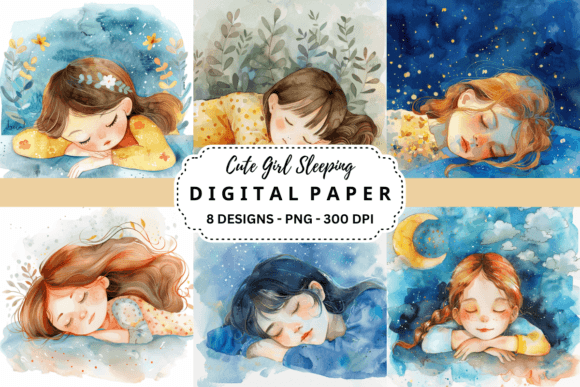
There's a distinct tranquility that comes with the right visual foundation. When your project needs to evoke calm, innocence, or a serene moment, generic backgrounds often fall short. This is where a curated set like the Cute Girl Sleeping Backgrounds becomes an invaluable design asset. This collection isn't just a set of images; it's a mood. Each of the eight individual PNG files, rendered at a high-quality 300 DPI and a substantial 3600 x 3600 pixels, captures a moment of peaceful slumber. The visual personality is soft, gentle, and deeply comforting. Think of muted pastels, soft-focus details, and compositions that feel both intimate and universally relatable. The style leans towards a modern, illustrative realism that avoids being overly cartoonish, making it suitable for a broader audience.
The overall appeal lies in its emotional resonance. A sleeping figure, particularly a child, taps into themes of trust, vulnerability, and peace. For designers and creators, this provides an immediate emotional hook. The high-resolution quality ensures these aren't just fleeting social media posts; they are premium font—or in this case, premium background—assets meant for serious, professional work. The PNG format with its transparency potential (depending on the specific file) offers flexibility, allowing you to layer these backgrounds under text, graphics, or other design elements seamlessly.
Practical Applications Across Creative and Commercial Projects
The true strength of these backgrounds is their remarkable versatility. They are not confined to a single niche. In editorial design, imagine a feature on childhood wellness or a gentle piece on mindfulness. Using one of these serene sleeping scenes as a subtle backdrop for pull quotes or section dividers can dramatically enhance the reader's experience, setting a contemplative tone that plain white space cannot achieve.
For brand identity and packaging design, particularly for products aimed at families, nurseries, or wellness, these backgrounds are gold. A baby care product line could use them on labels or in promotional materials to instantly communicate safety and softness. A children's book publisher might use them for chapter title pages or as decorative elements within a book's layout. The applications extend far beyond:
- Social Media Graphics: Create cohesive and calming Instagram stories, Facebook posts, or Pinterest pins for blogs about parenting, sleep health, or lifestyle.
- Poster & Banner Design: Design gentle promotional materials for pediatric clinics, daycare centers, or family-oriented events.
- Digital Products & Printables: Enhance the perceived value of planners, journal pages, or digital scrapbooking kits with these high-quality backgrounds.
- Web Design: Use them as subtle, thematic backgrounds for specific sections of a website, such as an "About" page for a children's photographer or a testimonial section for a sleep consultant.
- Invitation Cards & Stationery: Perfect for baby shower invitations, first birthday thank you cards, or gentle greeting cards.
The key is to view these backgrounds as a creative font in your visual toolkit—a foundational element that sets the entire typographic and graphic tone for your project. They work best when the goal is to establish a specific, positive emotional connection with the audience.
Integrating These Backgrounds: A Designer's Perspective
Using such a strong thematic background effectively requires a thoughtful approach to visual hierarchy and font pairing. The background should support your message, not compete with it. This is where principles of modern typography come into play. Overlying a complex, highly decorative script font or a heavy serif font might create visual clutter. Instead, consider clean sans serif font options for body text to ensure maximum readability. For headings, a simple, elegant display font or a soft handwritten font can complement the gentle aesthetic without overwhelming it.
When evaluating project fit, ask yourself: does this background enhance or distract? For a minimalist logo design, it's likely too detailed. But for a full-page magazine ad, a website hero section, or a product packaging mockup, it could be perfect. Always test your font pairings and text colors against the background. A semi-transparent overlay or a soft vignette can help maintain text legibility. Consider the included styles—each of the eight images has a different composition and color palette. One might be ideal for a horizontal banner, another for a square social media post. Review them all before committing.
Finally, respect the commercial font and asset licensing. Ensure the license for these backgrounds covers your intended use, whether for a client project, a print-on-demand store, or your own business materials. This attention to detail is what separates amateur work from professional, trustworthy design. By thoughtfully integrating these high-quality backgrounds, you can elevate the emotional impact and perceived professionalism of a wide array of projects, creating a cohesive and engaging experience for your audience.