Weathered Wood Plank Backgrounds: 12 High-Resolution Textures
In the world of digital design, texture is often the missing ingredient that separates a flat, lifeless layout from something with genuine depth and atmosphere. While we spend hours debating serif versus sans serif font choices or finding the perfect script font for a logo, the canvas beneath our typography often goes unnoticed. This is where high-quality background textures, specifically Weathered Wood Plank Backgrounds, become invaluable assets for designers, marketers, and content creators alike.
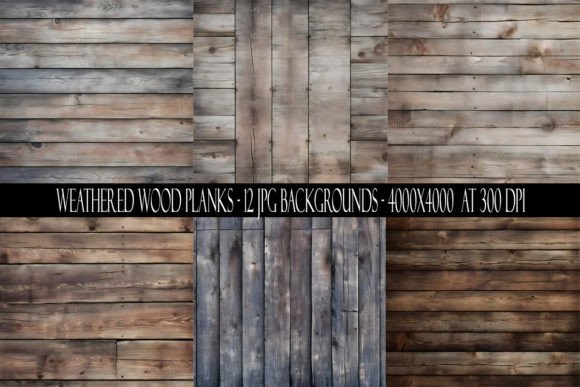
This collection isn't just a random assortment of stock photos; it is a curated set of 12 JPG backgrounds designed to inject warmth, rustic charm, and organic stability into your projects. Whether you are working on a complex brand identity system, crafting social media graphics, or designing packaging for a small business, understanding how to utilize these textures effectively can elevate your work from amateur to professional. With commercial and print-on-demand licensing included, the utility of this pack extends far beyond simple desktop wallpapers.
The Visual Character of Aged Timber
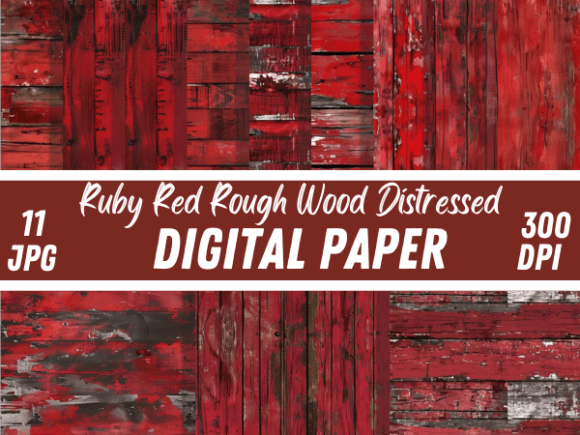
When we talk about Weathered Wood Plank Backgrounds, we are discussing more than just brown lines on a screen. These textures carry a specific personality. They evoke feelings of history, craftsmanship, and durability. Visually, these designs capture the irregularities of nature—the subtle grain variations, the knots, and the imperfections that make real wood so appealing. Unlike the sterile perfection of a vector gradient, wood textures offer a tactile quality. They provide a sense of "grit" and reality that is often lacking in modern digital interfaces.
The aesthetic appeal of this collection lies in its versatility. Some planks might appear sun-bleached and silvered, perfect for a coastal or farmhouse brand strategy. Others might feature deep, rich mahogany tones that suggest luxury and tradition. By offering 12 distinct variations, this digital pack allows you to match the exact mood you are trying to convey. It acts as a visual anchor, grounding your design elements and giving them a place to exist. For a designer, this is crucial; it transforms a blank digital void into a physical space where your typography and imagery can interact.
Practical Applications for Modern Creators
How do you actually use these assets in a way that feels fresh rather than cliché? The answer lies in context and contrast. For web design, a weathered wood texture can be a powerful tool for specific niches. Think of a restaurant website where the menu needs to feel like a physical clipboard, or a craft brewery landing page that needs to exude authenticity. In these cases, the background isn't just decoration; it reinforces the brand identity.
For packaging design and print-on-demand products, these backgrounds are indispensable. If you are creating merchandise like mugs, t-shirts, or tote bags, a wood texture can serve as a distressed overlay or a full background for vintage-style typography. Because the files are provided at 4000 x 4000 pixels at 300 DPI, the resolution is high enough for large-format printing without pixelation. This ensures that your editorial design or physical product retains its sharpness and professionalism.
Furthermore, consider the power of texture in social media graphics. The algorithm favors engagement, and visuals that stop the scroll often have depth. Placing a bold, modern display font against a rough wood grain creates an immediate contrast between the refined and the raw. This tension draws the eye. It works exceptionally well for quote cards, podcast promotions, or announcements for small business owners who want to appear approachable yet established.
Integrating Texture with Typography
One of the most common mistakes in using textured backgrounds is compromising readability. A background is successful only if it supports the foreground content, not competes with it. When working with Weathered Wood Plank Backgrounds, you must pay close attention to your visual hierarchy.
If your wood texture is high-contrast with deep grooves, placing a handwritten font or a thin serif font directly on top can result in a muddy mess. In this scenario, practical design principles suggest creating a barrier. This could be a semi-transparent overlay, a solid shape containing your text, or simply choosing a typeface with very high x-height and heavy weight.
Conversely, if the wood texture is subtle and low-contrast, it opens the door for more delicate typography. A clean sans serif font often pairs beautifully with wood textures because the geometric simplicity of the letters contrasts nicely with the organic chaos of the wood grain. When evaluating your project fit, always zoom out. Does the text disappear into the knots? Does the texture distract from the message? Good font pairing isn't just about matching two typefaces; it's about matching the typeface to the environment you place it in.
Leveraging Commercial Licensing for Business Growth
For entrepreneurs and small business owners, the value of an asset is often tied to its licensing. It is refreshing to see a collection like this that includes commercial and print-on-demand licensing. This removes the anxiety often associated with using stock assets. You don't need to worry about attribution or facing legal issues when you scale your business and start selling physical products.
The fact that the watermark is removed upon download means the designs are ready for immediate integration into your workflow. There is no tedious photoshopping required to clean up the files. This efficiency is vital for busy marketers and content creators who need to produce high volumes of work. You can confidently use these textures in client work, paid advertisements, or digital products for sale without hesitation.
Ultimately, Weathered Wood Plank Backgrounds are a staple design asset