Rustic Metal Wall Seamless Backgrounds: Industrial Texture for Modern Design
Understanding the Raw Material
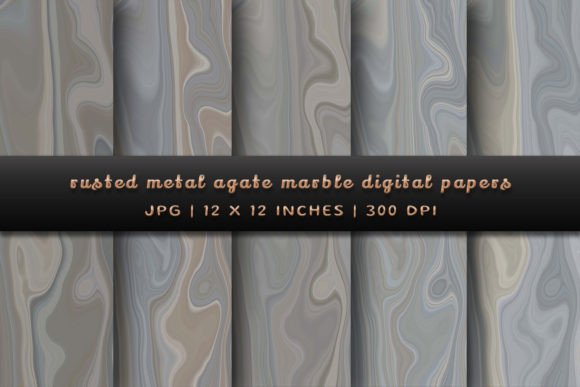
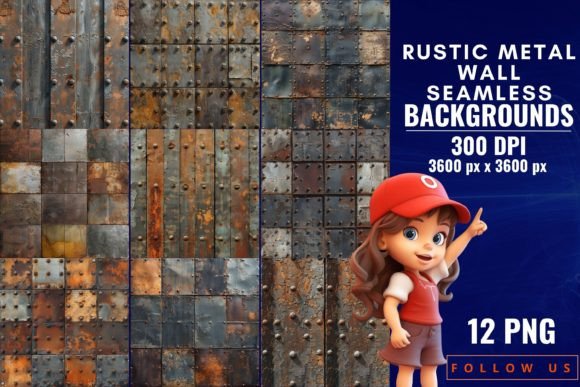
Rustic metal wall seamless backgrounds are more than just digital files; they are a gateway to a specific mood and era. These design assets capture the essence of aged steel, weathered iron, and corrugated metal panels that have endured years of exposure. The visual characteristics are unmistakable: a rich palette of oxidized reds, deep charcoal grays, and subtle brown undertones. You will notice intricate details like surface scratches, rivet patterns, flaking paint, and natural corrosion that tell a story of industrial history and rugged durability.
The personality of these backgrounds is one of authenticity and strength. They evoke a sense of timeless craftsmanship and industrial heritage, reminiscent of old factories, workshops, and vintage machinery. The style is inherently textural and tactile, offering a raw, unpolished aesthetic that contrasts sharply with the sleek, minimalist trends often seen in modern digital spaces. This makes them a powerful tool for designers looking to inject character, warmth, and a tangible sense of history into their projects. The overall appeal lies in their ability to ground a design, providing a stable, substantial foundation that feels both nostalgic and confidently contemporary.
Where Industrial Texture Makes an Impact
The versatility of a rustic metal wall seamless background extends across a surprising range of applications. In brand identity and logo design, these textures can establish a brand as dependable, authentic, and rooted in quality. Think of a craft brewery, a specialty coffee roaster, a custom furniture maker, or a hardware store. Using a weathered metal texture in their logo or packaging immediately communicates a promise of substance and handmade care, helping them stand out in a crowded market.
For editorial design and publishing, these backgrounds are invaluable. A magazine feature on urban exploration, a book cover for a historical novel, or a blog post about restoration projects can be dramatically enhanced with this industrial edge. The texture adds visual interest without overwhelming the primary content, especially when used as a header or a sidebar element. In web design, a subtle application as a website background or a hero section can create a memorable first impression, particularly for portfolios, creative agencies, or e-commerce sites selling artisanal goods.
Their use in social media graphics is equally effective. Instagram stories, Facebook ads, and Pinterest pins that feature these textures often see higher engagement because they break the visual monotony of flat colors and generic gradients. For packaging design, especially for products targeting a discerning audience that values authenticity—such as gourmet foods, craft tools, or grooming products—a metallic texture can elevate the unboxing experience, making the product feel premium and well-considered.
Integrating Texture into Your Creative Workflow
Choosing the right rustic metal wall seamless background involves more than just picking a pretty pattern. Start by evaluating the project's tone. Is it for a gritty, industrial brand or a more refined, vintage-inspired one? The level of distressing, the color temperature, and the scale of the texture all contribute to the final message. A heavily corroded panel tells a different story than a lightly brushed steel surface.
When it comes to font pairing, the goal is contrast and harmony. These textures work exceptionally well with clean, geometric sans serif fonts like Helvetica or Futura, which provide a modern counterpoint to the organic chaos of the metal. For a more classic, authoritative feel, a strong serif font like Baskerville or Clarendon can create a compelling dialogue between tradition and industry. Avoid overly ornate script fonts or handwritten fonts, as they can become illegible and clash with the background's rugged character. Always test your typography directly on the texture to ensure sufficient contrast for readability.
Practical application requires attention to detail. Use these backgrounds as a layer in your design software, adjusting opacity or applying blend modes like Multiply or Overlay to integrate them seamlessly. They are perfect for creating mockups, adding depth to digital illustrations, or setting a scene in a presentation. Remember to check the licensing. While many collections are offered for free, a premium font or asset collection often comes with a commercial license that is crucial for client work, merchandise, or any project intended for sale. This ensures your creative work is both visually striking and legally sound.
Ultimately, the power of a rustic metal wall seamless background lies in its ability to add a layer of narrative to your work. It’s a design asset that doesn’t just fill space; it tells a story of resilience, history, and authentic craftsmanship. By thoughtfully integrating these textures, you can transform a flat design into a textured experience that resonates with an audience seeking genuine, tangible connections in a digital world. Whether you are crafting a brand identity