Elevate Your Projects with Gold Star Map Backgrounds
Understanding the Visual Character of These Papers
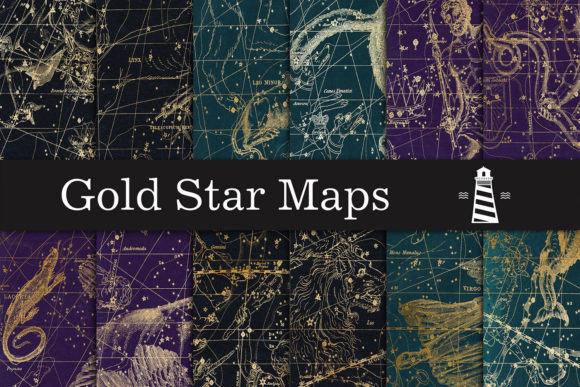
At its core, the Gold Star Map Backgrounds collection is about merging classic cartography with a touch of modern luxury. These aren’t just generic gold textures; they are 12 distinct high-quality digital papers designed to evoke a sense of exploration, wonder, and elegance. The visual personality is unmistakably sophisticated yet versatile. You’ll find vintage-inspired map illustrations—featuring continents, compass roses, and nautical lines—rendered in various gold tones and paired with rich, complementary backgrounds.
The appeal lies in the details. Each file is a 300 dpi, 8x8 inch (2400x2400 px) JPEG, making them print-ready for a wide array of applications. The gold elements can range from a subtle, matte finish to a more brilliant, reflective sheen, allowing you to choose the perfect level of opulence for your project. Some designs might feature a clean, minimalist map outline, while others present a more detailed, aged parchment look. This variety within a cohesive theme is a significant strength for any designer or creator. It provides a ready-made toolkit for building a consistent visual language across multiple assets.
Where These Backgrounds Truly Shine
The practical applications for these design assets extend far beyond a single use case. For brand identity and logo design, a subtle gold map pattern can serve as a powerful texture within a logo mark or as a background for a wordmark, instantly suggesting themes of journey, global reach, or heritage. This is particularly effective for brands in travel, consulting, education, or artisanal goods.
In the realm of editorial design and packaging design, these backgrounds are a secret weapon. Imagine a book cover for a historical novel or a business memoir, where a faded map sets the stage. For packaging, they can transform a simple box or label into a premium gift experience, ideal for gourmet foods, cosmetics, or subscription boxes. The high resolution ensures crisp detail even when printed at a large scale.
Digital creators will find endless uses. As a web design element, a gold map background can create a stunning hero section for a travel blog, a portfolio site for a geographer, or the landing page for a logistics company. For social media graphics, they provide an instant upgrade to Instagram posts, Pinterest pins, and Facebook headers, making content stand out in a crowded feed. Bloggers and publishers can use them to create visually cohesive featured images that align with their site's aesthetic.
Making an Informed Design Decision
Choosing the right background from the pack is the first step in a successful project. Start by defining the mood you want to convey. For a romantic, vintage feel, look for papers with a parchment texture and sepia-toned gold. For a more modern, luxurious look, opt for designs with cleaner lines and a brighter gold against a deep navy or black background. Always consider the foreground content. A busy map pattern might compete with detailed product photography, but it could be perfect for a text-heavy invitation where the background sets the tone without overwhelming the message.
Evaluating project fit is crucial. These backgrounds are a premium font companion—they aren't a typeface themselves, but they elevate any display font, serif font, or sans serif font you pair with them. Test your chosen typography directly on the background. Ensure there is sufficient contrast for readability, especially for smaller body text. You may need to add a semi-transparent overlay or place text within a solid-colored box to maintain legibility.
Think about your overall visual hierarchy. Use a busier, more detailed map pattern sparingly—perhaps for a website banner or a single product image backdrop. Use a simpler, more textured version for larger areas like a full-page background in a printed booklet. This approach maintains professionalism and prevents visual fatigue.
Integrating into Your Creative Workflow
Once you’ve selected your background, the integration process is where creativity meets strategy. For digital projects, these JPEGs can be easily placed in your design software. Use them as clipping masks for text in Adobe Illustrator or Photoshop to create stunning typographic effects. For social media, layer them with solid color blocks and your brand fonts to create a suite of consistent templates.
For print projects, the 300 dpi resolution is your best friend. It guarantees sharp output for everything from greeting cards and gift wrapping to large-format posters. When printing, consider the paper stock. A matte paper will enhance the vintage feel, while a gloss or satin finish will make the gold elements pop with a more contemporary shine.
Remember, these backgrounds are a component of a larger design asset library. The most effective use comes from pairing them with other complementary elements. Combine them with solid color palettes derived from the background’s hues, pair them with elegant script fonts or handwritten fonts for invitations, and use them alongside photography that shares a similar color temperature or thematic element. This holistic approach ensures your work feels intentional and professionally crafted, whether you're building a brand identity, designing a wedding suite, or creating a blog header that captures the imagination.