Bring Coastal Calm to Any Project with a Sand Beach Bundle
In the world of digital design, finding the right texture is often the missing piece of the puzzle. You might have the perfect font pairing and a stellar layout, but if the background feels flat, the whole composition suffers. This is where the Sand Beach Backgrounds Bundle comes into play. It offers a specific, tactile aesthetic that serves as a foundation for a wide variety of creative projects. Instead of relying on solid colors or generic gradients, this collection provides the organic, gritty texture of a shoreline, bringing a sense of nature and relaxation to your work. It is a practical addition to any designer’s toolkit, especially when the goal is to evoke warmth, summer vibes, or a rustic, natural feel.
The Visual Personality of Sandy Textures
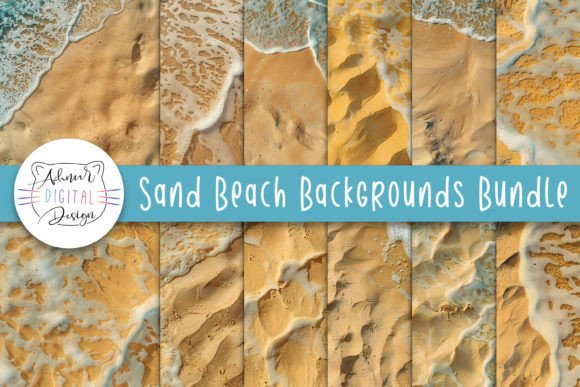
The core appeal of the Sand Beach Backgrounds Bundle lies in its visual characteristics. Sand is not a uniform substance; it shifts in color, grain size, and pattern. The textures included in this collection capture those nuances. You will find variations ranging from the pale, almost white sand of tropical resorts to the darker, grittier textures of wilder coastlines. The resolution is a critical factor here. With the images set at 300 DPI, the grain structure remains sharp and distinct. This high resolution ensures that the backgrounds look professional even in print applications where lower-quality assets might pixelate or blur.
The "personality" of these backgrounds is undeniably organic. Unlike the rigid geometry of cityscapes or the soft blur of bokeh effects, sand textures have a chaotic yet harmonious rhythm. They introduce depth without overwhelming the foreground content. For a brand identity focused on wellness, travel, or eco-friendly products, this texture communicates authenticity. It suggests a connection to the earth and the outdoors. The cleanliness of the files—free from distracting debris or harsh shadows—makes them versatile. They can serve as a subtle backdrop for text-heavy designs or as a bold statement piece for visual art.
Practical Applications for Designers and Creators
Understanding where to use the Sand Beach Backgrounds Bundle is key to maximizing its value. For graphic designers, these files are invaluable for creating mood boards or presentation decks that require a soft, neutral background that isn't boring. In packaging design, particularly for organic cosmetics, soaps, or artisanal foods, a sand texture can wrap around a box to create a tactile experience that matches the product inside. It signals natural ingredients and a handcrafted approach.
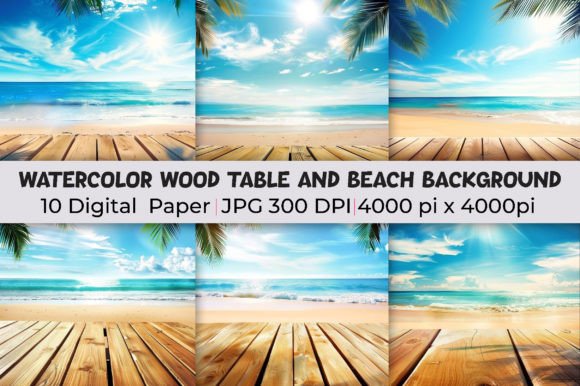
Web design also benefits greatly from these assets. A hero image featuring a clean sand texture can set a relaxed tone for a vacation rental site, a surf school, or a travel blog. Because the files are JPEGs with plenty of negative space, they sit well behind web design elements like navigation bars and call-to-action buttons without clashing. For social media graphics, consistency is vital. Using the same style of sand texture across Instagram stories or Pinterest pins helps build a recognizable aesthetic. It ties disparate posts together, making a feed look curated rather than random.
Furthermore, marketers and entrepreneurs can use these backgrounds in email headers or digital ads. A beach background immediately evokes positive emotions—vacation, relaxation, and happiness—which can subconsciously make an audience more receptive to a marketing message. Even for crafters and hobbyists, the applications are endless. Digital scrapbooking, invitations for a destination wedding, or printable wall art for a bathroom renovation can all utilize the soft, neutral palette of beach sand. The versatility of the Sand Beach Backgrounds Bundle makes it a workhorse asset for both commercial and personal projects.
Integrating Texture with Typography and Branding
A background is rarely viewed in isolation; it interacts with the text and graphics placed on top of it. When using the Sand Beach Backgrounds Bundle, readability is the primary concern. Because sand textures have a high level of visual noise (the grain), you need to ensure your typography has enough contrast to stand out. This is where modern typography choices come into play. A bold, heavy sans serif font often works best, as the thick strokes of the letters resist getting lost in the texture. Alternatively, a clean serif font can provide an elegant, classic look that pairs well with the timeless nature of a beach setting.
Avoid using light, thin script fonts or delicate handwritten fonts directly over a busy area of the sand texture. If you must use a display font for a headline, consider placing a semi-transparent shape or a solid color block behind the text to separate it from the background. This technique maintains the visual hierarchy and ensures the message is legible. The goal is to use the texture to enhance the brand perception, not to hinder communication. A well-chosen background supports the text; a poorly chosen one fights it.
Technical Specs and Workflow Efficiency
Efficiency matters in professional workflows. The Sand Beach Backgrounds Bundle comes as a single zipped file containing 12 distinct JPEG files. This format is universally compatible with every major design software, including Adobe Photoshop, Illustrator, InDesign, and Canva. You do not need to worry about complex layer management or converting file types. Simply drag and drop the image into your project.
Having 12 different variations allows for flexibility. You can select a specific texture that matches the color temperature of your project. For instance, a cooler, grey-toned sand might suit a minimalist aesthetic, while a warm, golden sand fits a summer promotion. The 300 DPI resolution gives you the freedom to crop into the image to find the perfect section without losing quality. This is particularly useful for print design projects like flyers, brochures, or business cards where print fidelity is non-negotiable.
Evaluating the Asset for Your Needs
Before finalizing a design, it is always wise to evaluate how the Sand Beach Backgrounds Bundle fits your specific vision. Start by looking at the color palette of your existing design assets. Does the sand texture complement your brand colors, or does it clash? Sand is generally neutral, but it does have undertones—yellow, pink, or grey—that can influence the overall mood.
Next, consider the context. If you are designing for a digital platform, test the background on a mobile screen. Sometimes, textures that look great on a desktop monitor can appear muddy or distracting on a small phone display. If you are working on editorial design, such as a magazine layout, ensure the texture doesn't compete with the photography. Often, using the sand texture in the margins or headers while keeping the main text area clean is the most effective strategy.
Finally, think about consistency. If you are building a brand identity, you want to use the texture repeatedly across different touchpoints to build recognition. The variety within this bundle allows you to use different versions of the same texture family, preventing visual monotony while maintaining a cohesive look. Whether you are a small business owner creating your own marketing materials or a publisher looking for a specific atmospheric background, this collection provides the raw materials needed to execute a polished, professional design. It is a practical, high-quality resource that solves the common problem of finding the perfect backdrop.